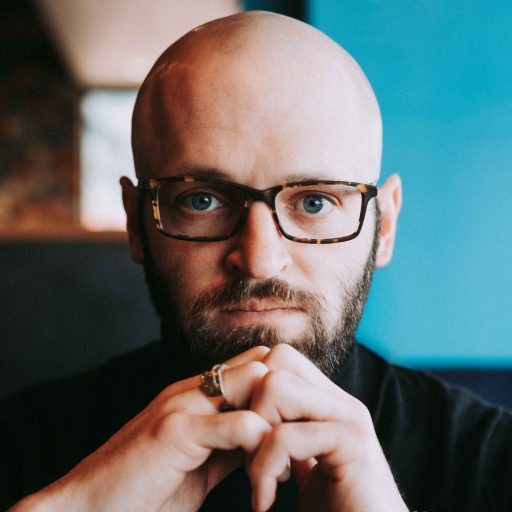

I founded the Southwest Public Policy Institute in 2022 to answer a narrow question: when regulators restrict a financial product in order to protect consumers, what actually happens to the consumers?
The first answer came from New Mexico. After the state capped small-dollar interest rates at 36 percent, SPPI’s No Loan For You series documented what followed — licensed lenders left the state, and the people who still needed $200 did not stop needing it. A later investigation, Black Market Payday, traced what moved into the vacuum: an unlicensed lending operation run through a former state representative’s company, charging caregivers four-figure rates, while regulators looked past it.
The work has since expanded to mortgage finance, retirement systems, interchange, and rate exportation — the last of which is where I’ve spent the most time. When Colorado and Oregon moved to opt out of federal rate-exportation rules under DIDMCA, I argued in American Banker that states cannot unilaterally carve themselves out of a national credit market, and backed federal legislation to settle the question.
The other half of the job is getting the records. SPPI has sued New Mexico agencies repeatedly under the Inspection of Public Records Act, including a successful action against the Taxation and Revenue Department for the vehicle registration data behind the state’s EV mandate, and a multi-year fight with the City of Albuquerque over how it handles records requests. I’ve also pushed for transparency in how the state spends its opioid settlement funds. This isn’t a side project. Research that can’t obtain the underlying data is just opinion.
I write a consumer finance column for national outlets, and I’ve testified, filed amicus briefs, and worked in coalitions across several states. I treat public writing as part of the research rather than a byproduct of it: work that can’t be explained to the person it affects isn’t finished.
I’m a free-market advocate, but not a reflexive one. Markets work when competition is real, information is honest, and consumers are treated as capable adults. A market that runs on confusion isn’t a healthy one, and defending it anyway is bad advocacy. What I’m consistently against is the assumption that removing a choice is the same as improving it.
Before SPPI, I ran donor engagement and transparency litigation at the Rio Grande Foundation. Before that, I built and sold a marketing agency.
I live in New Mexico with my three kids. I’m a pilot, a cyclist, an amateur historian, and — improbably — a competitive ballroom dancer.